September 23, 2026
Children benefit from spending time outdoors, where they can play, explore, exercise, and enjoy fresh air. However, yards and other outdoor spaces can also present hazards when boundaries are unclear or access points are not properly secured. Streets, swimming pools, neighboring properties, driveways, animals, and unfamiliar areas can all create risks for young children who may not recognize danger or understand where they should and should not go. A well-planned fence can create a more controlled environment and give parents greater peace of mind while children are outside. Working with a professional fencing company can help families choose an appropriate fence style and layout for their property.
Creating Clear Boundaries Around the Yard
One of the most important safety benefits of a fence is that it creates a visible and physical boundary around an outdoor space. Young children may become distracted while playing and wander farther than intended, especially when chasing a ball, riding a toy, or following a pet. A fence can help define the area where they are allowed to play and make it more difficult for them to leave the yard without an adult noticing. This separation can be especially useful for homes near busy roads, intersections, or parking areas.
Clear boundaries can also help children develop an understanding of where their safe play area begins and ends. Parents can reinforce simple rules about staying inside the fenced portion of the property, making outdoor routines more consistent over time. A fencing company can help determine where fencing should be placed to create practical boundaries without interfering with normal access to the home, garage, driveway, or other parts of the property.
Reducing Access to Nearby Streets and Driveways
Roadways and driveways can pose serious risks to children because younger kids may not fully understand traffic patterns, vehicle speeds, or blind spots. Even a quiet residential street can become dangerous if a child runs into the road unexpectedly. Fencing can add an important layer of separation between a play area and nearby traffic. Strategically placed gates can also help adults control exits and monitor movement between the yard, driveway, and sidewalk.
Driveways deserve particular attention because vehicles may be entering or leaving while children are nearby. A fence can help designate a play area that is separate from spaces used for parking and vehicle movement. Families may also choose self-closing or self-latching gates to reduce the chance that an access point is accidentally left open. A professional fencing company can evaluate the property layout and recommend gate placement that supports safe movement while maintaining convenient access for family members and visitors.
Limiting Access to Swimming Pools and Water Features
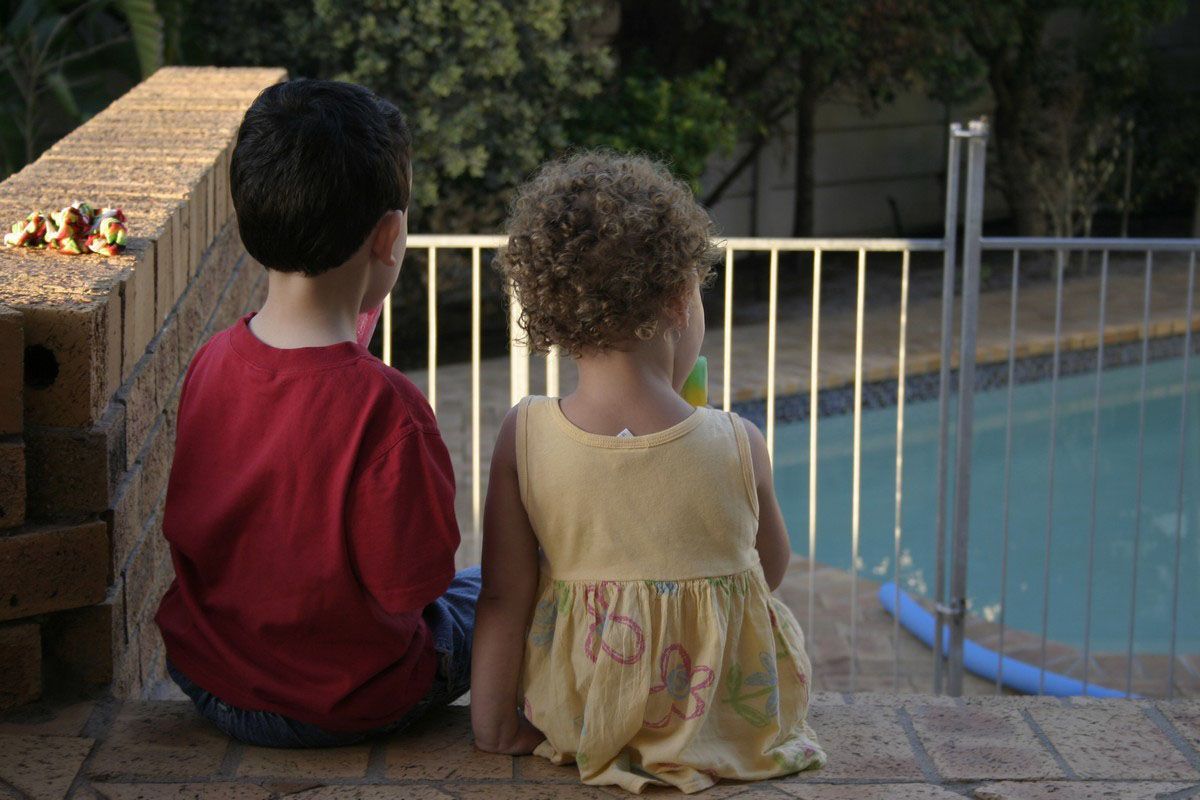
Swimming pools require careful safety planning because young children can reach the water quickly and quietly. A dedicated pool barrier can help prevent unsupervised access and create another obstacle between a child and the water. According to the CDC, a four-sided pool fence may lower a young child's drowning risk by 83%. A four-sided design separates the pool from the house and the rest of the yard. Gates should also be designed to close and latch securely after use.
Other water features, including ponds, fountains, and decorative pools, may also require additional consideration when children use the yard. Families should evaluate whether a child could easily reach these areas and whether fencing could create a safer separation. A fencing company can help property owners consider appropriate fence heights, spacing, gate hardware, and placement around water features. Fencing should be part of a broader safety approach that includes active adult supervision whenever children are near water.
Separating Children From Pets and Animals
Fences can also help families manage interactions between children and animals. Household pets may be friendly, but play can become unpredictable when children and animals become excited. Creating separate fenced areas can give pets room to move while allowing children to play in another part of the yard. This can be useful when introducing a new pet, hosting guests with children, or managing an energetic dog.
Fencing may also reduce the chance that unfamiliar animals enter the yard. Depending on the location, loose dogs, wildlife, or neighboring pets may occasionally move through residential properties. A properly installed barrier can make unwanted access more difficult and provide a clearer separation between children and animals outside the household. A fencing company can recommend materials and designs based on the size of the property, the types of pets present, and the level of containment the family needs.
Controlling Entry Through Gates and Access Points
A fence is only as effective as the gates and openings within it. Gates that are difficult to close, easy for small children to unlatch, or frequently left open can reduce the safety benefits of an otherwise secure fence. Families should pay attention to gate hardware, latch placement, hinges, and closing mechanisms. A gate that reliably returns to a closed position can help prevent accidental openings, while a latch positioned out of a young child's reach can make unsupervised exits less likely.
Adults should also develop habits that support the fence's purpose. Family members, babysitters, landscapers, delivery personnel, and visitors should understand the importance of closing gates after passing through them. Periodically checking latches and hinges can help identify wear before it creates a problem. A knowledgeable fencing company can install gate systems that match the family's needs and explain hardware options that support consistent use.
Choosing Safer Fence Materials and Designs
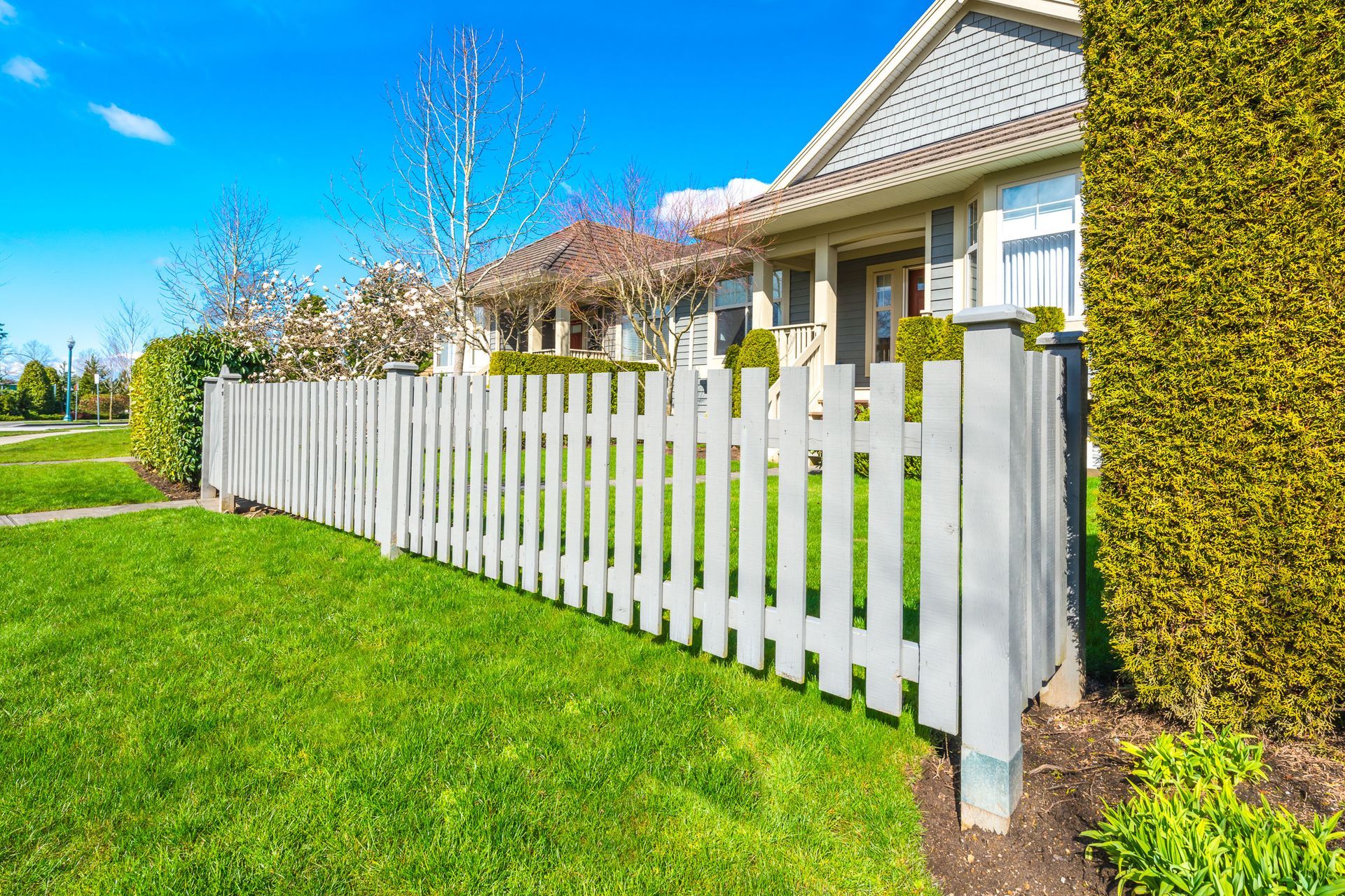
Not every fence design is equally appropriate for areas where children spend time. Sharp edges, large openings, loose boards, protruding fasteners, or easily climbable features can introduce new hazards. Parents should consider how a child might interact with the fence rather than focusing only on appearance. Closely spaced pickets, smooth surfaces, secure panels, and well-finished hardware can help create a more child-friendly barrier. The fence should also be tall enough for its intended purpose and stable enough to withstand normal outdoor activity.
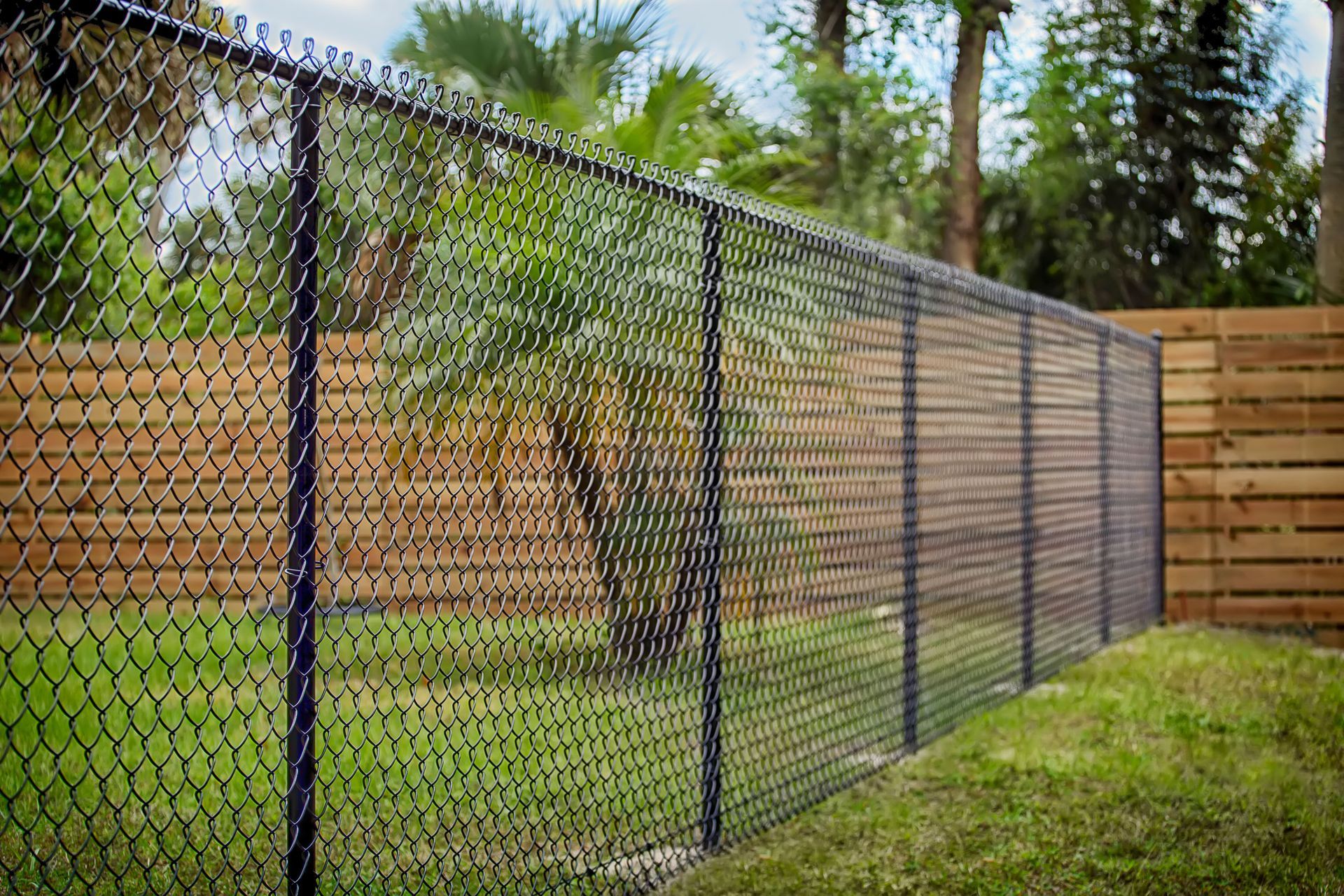
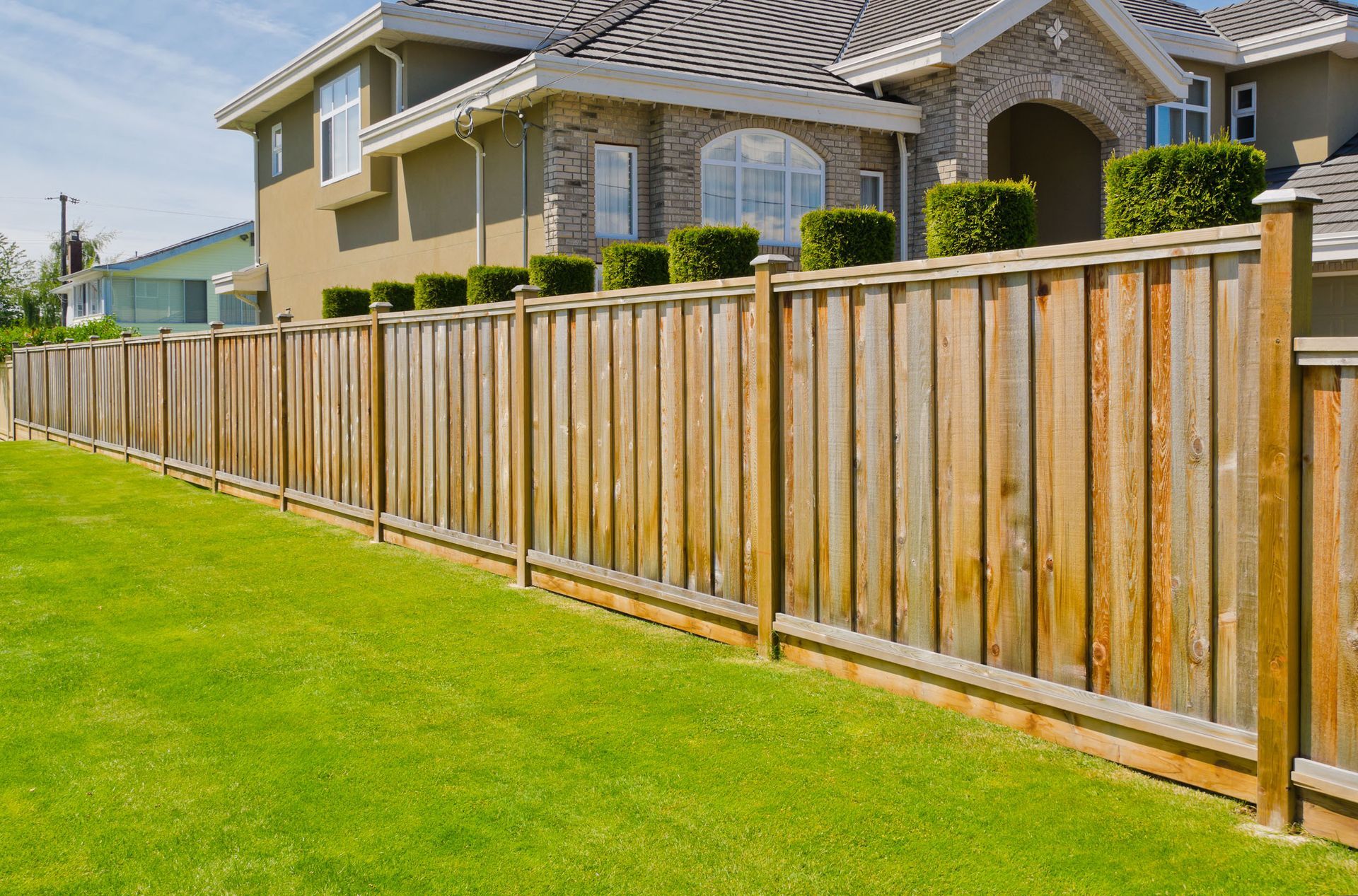
Visibility may matter as well. In some areas, parents may prefer a fence that provides clear sightlines so they can easily see children from a patio, window, or another part of the yard. In other situations, privacy may be a greater priority. A fencing company can explain how wood, vinyl, aluminum, chain-link, and other materials differ in visibility, maintenance, spacing, and durability. Considering these characteristics before installation can help families choose a design that balances safety, appearance, and function.
Maintaining the Fence for Continued Safety
Even a well-built fence needs routine attention to remain effective. Weather, soil movement, repeated gate use, landscaping equipment, and normal aging can cause posts to shift, boards to loosen, latches to wear, or gaps to develop. Parents should periodically walk the fence line and look for damage that could allow a child to squeeze through, climb over, or push against a weakened section. Gates should open and close smoothly, and hardware should remain firmly attached.
Repairs should be addressed before small issues become larger safety concerns. A loose panel may worsen during a storm, while a sagging gate may eventually stop latching correctly. Vegetation growing against the fence should also be monitored because shrubs, stacked materials, or outdoor furniture can unintentionally create climbing opportunities. Scheduling professional repairs when needed can help keep the barrier dependable and extend its useful life. Ongoing maintenance supports the original purpose of the fence by helping it remain secure and functional over time.
Fencing can play an important role in creating a safer outdoor environment for children by establishing clear boundaries, separating play areas from traffic, limiting access to pools, managing interactions with animals, controlling entry points, and reducing avoidable hazards. The most effective setup depends on the property's layout and the specific risks around the home, which is why careful planning with a trusted fencing company is important before installation. Parents should also remember that fencing works best alongside active supervision, secure gates, regular inspections, and age-appropriate safety rules. For help selecting and installing a fence that supports the needs of your family and property, contact The Fence Factory, LLC.