May 19, 2026
The demand for outdoor property improvements has grown steadily in recent years, and one of the most noticeable trends is the rising need for professional fencing solutions. Homeowners, commercial developers, and municipalities alike are investing in secure, durable, and aesthetically pleasing perimeter systems. This shift has placed increased attention on fencing contractors, who play a central role in designing, installing, and maintaining these structures.
The expansion of the construction and property improvement sector has further amplified this demand. According to Research and Markets, the fencing market is projected to grow from $36.46 billion in 2025 to $38.43 billion in 2026 at a compound annual growth rate (CAGR) of 5.4%. This growth reflects not only increased construction activity but also a stronger emphasis on security, privacy, and property value enhancement. As a result, fencing contractors are becoming essential contributors to both residential and commercial development projects.
What Are The Key Responsibilities Of Fencing Contractors?
The responsibilities of fencing contractors extend far beyond simply installing panels or posts. Their work begins with assessing property boundaries, understanding zoning requirements, and recommending suitable materials based on environmental conditions and client needs. Whether working on wood, vinyl, metal, or composite systems, fencing contractors must ensure that every installation aligns with safety regulations and long-term performance expectations.
In addition to installation, fencing contractors are often involved in repair and replacement projects. Weather damage, soil shifting, and general wear can compromise fence integrity over time. Skilled professionals evaluate these issues and determine the most efficient solutions, whether that involves partial repairs or complete reconstruction. Because of this wide scope of responsibility, fencing contractors are a key part of maintaining both residential curb appeal and commercial security infrastructure.
As demand increases, fencing contractors are also expected to provide design consultation services. Clients increasingly want fences that balance function and style, requiring professionals to offer guidance on modern designs, material durability, and cost efficiency.
How Do Fencing Contractors Ensure Quality And Durability?
Quality and durability are at the core of every successful fencing project. Fencing contractors rely on a combination of technical expertise, high-quality materials, and precise installation methods to ensure long-lasting results. Proper post setting, accurate alignment, and reinforced anchoring are all critical steps in preventing structural failure over time.
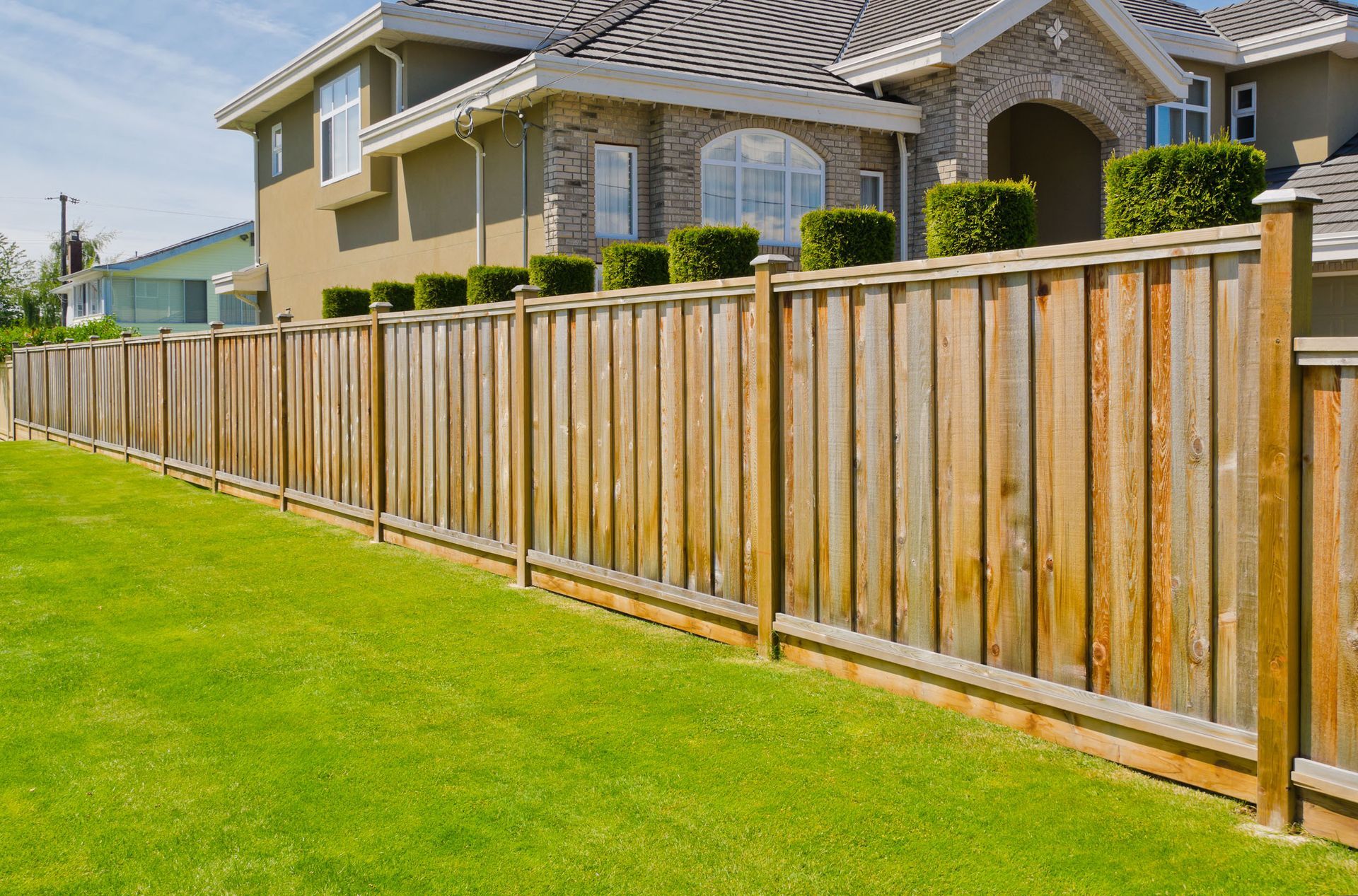
Material selection also plays a major role. Fencing contractors carefully evaluate environmental factors such as moisture levels, temperature fluctuations, and soil composition before recommending materials. For example, vinyl may be preferred in high-moisture environments due to its resistance to rot, while treated wood or powder-coated metal may be selected for strength and aesthetic appeal.
Many fencing contractors also implement advanced coatings and sealants to extend the lifespan of installations. These protective measures help prevent rust, fading, and decay, which are common issues in outdoor structures. Through these practices, fencing contractors ensure that their work not only meets immediate expectations but also provides long-term value for property owners.
What Is The Typical Process Fencing Contractors Follow?
Most fencing projects follow a structured process designed to ensure efficiency and accuracy from start to finish. Fencing contractors typically begin with an initial consultation, during which they assess the property, discuss client goals, and evaluate budget considerations. This step is essential for determining project scope and identifying potential challenges. At this stage, experienced fencing contractors also take time to discuss style preferences, security needs, and long-term maintenance expectations so the final design aligns with both practical and aesthetic goals.
After consultation, fencing contractors move into the planning and design phase. This includes selecting materials, mapping out fence placement, and ensuring compliance with local building codes. Accurate measurements and site preparation are crucial at this stage, as they directly impact installation quality. In many cases, fencing contractors will also mark property lines and evaluate terrain conditions to prevent future disputes or structural issues.
Once planning is complete, the installation phase begins. Fencing contractors prepare the site, set posts, and install panels or sections according to the agreed-upon design. Precision is critical here, as even minor misalignments can affect structural integrity and appearance. Weather conditions, soil stability, and access limitations are also carefully managed during this stage to maintain consistent quality throughout the build.
Finally, fencing contractors conduct a thorough inspection to ensure the finished product meets quality standards. Any necessary adjustments or reinforcements are completed before project handover. This structured approach helps maintain consistency and reliability across different types of fencing projects. A final walkthrough with the client is often included as well, giving them the opportunity to confirm satisfaction and request minor refinements if needed.
How Do Fencing Contractors Stay Ahead Of Industry Trends?
The fencing industry continues to evolve as new materials, technologies, and design preferences emerge. To remain competitive, fencing contractors must stay informed about these changes and adapt their services accordingly. This often involves ongoing training, attending industry trade shows, and collaborating with manufacturers who introduce innovative products. In many cases, contractors also invest time in researching regional building codes and environmental regulations, ensuring their work remains compliant while still meeting modern design expectations.
One major trend influencing the industry is the growing demand for sustainable and eco-friendly materials. Many fencing contractors now offer options made from recycled composites or responsibly sourced wood. These materials appeal to environmentally conscious clients while maintaining durability and visual appeal. In addition, these products often require less maintenance over time, which makes them increasingly attractive for long-term property investments.
Technology is also playing a larger role. Some fencing contractors use digital measurement tools, 3D modeling software, and automated layout systems to improve accuracy and efficiency. These advancements reduce installation errors and help clients visualize final results before construction begins. They also streamline communication between contractors and clients, allowing for quicker adjustments during the planning phase and reducing costly misunderstandings later in the project.
By staying ahead of these trends, fencing contractors are better positioned to meet evolving customer expectations and maintain a competitive edge in a rapidly expanding market. This adaptability not only improves project outcomes but also strengthens client trust, as customers increasingly expect a combination of craftsmanship, innovation, and transparency in every stage of the fencing process.
What Are The Challenges Fencing Contractors Face Today?
Despite strong market growth, fencing contractors face several ongoing challenges. One of the most significant is fluctuating material costs, which can impact project pricing and profitability. Supply chain disruptions and increased demand for raw materials often create delays and budget uncertainties.
Labor shortages also present a challenge. Skilled fencing contractors are in high demand, and recruiting experienced workers can be difficult. This shortage places additional pressure on existing teams, especially during peak construction seasons.
Regulatory compliance is another area of complexity. Fencing contractors must navigate local zoning laws, property line disputes, and permitting requirements, all of which vary by region. Failure to comply can result in costly delays or project modifications.
Additionally, customer expectations continue to rise. Clients often seek faster turnaround times, lower costs, and higher customization levels. Balancing these demands while maintaining quality workmanship requires careful planning and efficient project management.
The fencing industry is experiencing steady and meaningful growth, driven by increased construction activity and a stronger focus on security and property enhancement. As this demand continues to rise, fencing contractors remain central to delivering reliable, durable, and visually appealing fencing solutions.
From planning and installation to innovation and problem-solving,
fencing contractors play a vital role in shaping both residential and commercial landscapes. Their ability to adapt to market trends, overcome challenges, and maintain high-quality standards ensures they will continue to be essential contributors to the industry’s future growth. If you're looking for quality fencing, reach out to The Fence Factory, LLC today!